Buy citylodge.eu ?
We are moving the project
citylodge.eu .
Are you interested in purchasing the domain
citylodge.eu ?
domain@kv-gmbh.de · 0541-91531010
Buy citylodge.eu ?
What are abiotic factors in ecology?
Abiotic factors in ecology are non-living components of an ecosystem that can influence the living organisms within it. These factors include physical and chemical elements such as temperature, sunlight, water, soil, air, and nutrients. Abiotic factors play a crucial role in shaping the environment and determining the types of organisms that can survive in a particular ecosystem. They can also affect the distribution, behavior, and abundance of species within an ecosystem. **
What are abiotic factors in the Antarctic?
Abiotic factors in the Antarctic include extreme cold temperatures, strong winds, low precipitation, and high levels of ultraviolet radiation due to the hole in the ozone layer. The frozen landscape is also a significant abiotic factor, as the ice and snow cover much of the continent. These abiotic factors create a harsh environment that shapes the unique ecosystems and limits the types of organisms that can survive in the Antarctic. **


Similar search terms for Abiotic Air
Top-Angebote
Products related to Abiotic Air:
-
Uplift Picks Heart Mirror Comb Set Portable Folding Air Cushion Travel Brush Heart Mirror Comb Set Portable Folding Air Cushion Travel BrushKeep hair touch ups and beauty checks together in one cute compact accessory. This folding mirror comb opens to reveal a handy mirror and an air cushion brush for quick grooming at home, school, work, or while traveling. Its heart shaped macaron...37,98 $*Shipping: 0,00 $Secure redirect to the provider
-
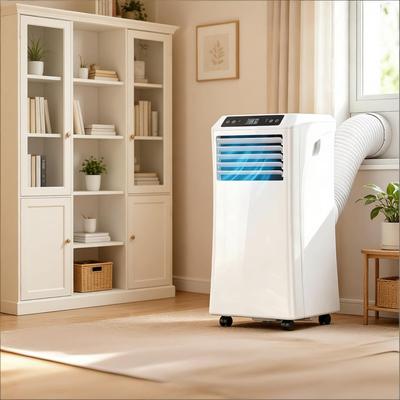
Kodotan sofa Air Conditioner,Portable Air Conditioner,Powerful Design Air ConditionerFeatures: Five operating modes: Cool, dehumidify, ventilate, auto, and sleep Dual speed settings, temperature range 59°F to 88°F 24-hour on/off timer Adjustable manual air direction control Includes remote control Removable and washable air filter…576,49 $*Shipping: 0,00 $Secure redirect to the provider
-
Kodotan sofa Modern Air Conditioner,Portable Air Conditioner,Mini Air ConditionerFeatures: Four modes: Cools, dehumidifies, ventilates, and sleep LED display to show different settings Four wheels on the base to move the unit around quickly Refrigerant R410A and 8000BTU to deliver instant cooling for home and office 24-hour timer…537,99 $*Shipping: 0,00 $Secure redirect to the provider


-
What are application tasks related to abiotic factors?
Application tasks related to abiotic factors involve studying the impact of non-living elements such as temperature, water availability, soil composition, and sunlight on various ecosystems. Researchers may investigate how changes in these abiotic factors affect plant growth, animal behavior, and overall ecosystem health. Understanding these relationships is crucial for predicting and managing the effects of climate change, land use changes, and other environmental disturbances on ecosystems. By studying abiotic factors, scientists can develop strategies to conserve biodiversity, restore degraded habitats, and promote sustainable resource management. **
-
What are abiotic and biotic factors for humans?
Abiotic factors for humans include non-living elements such as air quality, temperature, and sunlight exposure. These factors can directly impact human health and well-being. Biotic factors for humans involve living organisms that interact with humans, such as pathogens, parasites, and symbiotic organisms like gut bacteria. These factors can also have significant effects on human health and disease. **
-
What are abiotic and biotic factors in biology?
Abiotic factors in biology are non-living components of an ecosystem, such as temperature, sunlight, water, and soil. These factors can have a significant impact on the organisms living in the ecosystem. Biotic factors, on the other hand, are living components of an ecosystem, including plants, animals, fungi, and microorganisms. These factors interact with each other and with the abiotic factors to create a complex and dynamic environment. Both abiotic and biotic factors play crucial roles in shaping the structure and function of ecosystems. **
-
Do tides belong to the abiotic environmental factors?
Yes, tides belong to the abiotic environmental factors. Abiotic factors are non-living components of an ecosystem, and tides are the result of the gravitational pull of the moon and the sun on the Earth's oceans. Tides play a significant role in shaping coastal ecosystems and influencing the distribution of marine organisms. Therefore, they are considered an important abiotic factor in marine environments. **

What do abiotic and biotic environmental factors mean?
Abiotic environmental factors refer to non-living components of an ecosystem, such as temperature, sunlight, water, and soil. These factors can have a significant impact on the survival and distribution of living organisms within an ecosystem. Biotic environmental factors, on the other hand, refer to the living components of an ecosystem, including plants, animals, and microorganisms. These factors can also influence the dynamics of an ecosystem through interactions such as predation, competition, and symbiosis. Both abiotic and biotic factors play crucial roles in shaping the structure and function of ecosystems. **
Which biotic and abiotic factors influence the sea?
Biotic factors that influence the sea include the presence of marine plants and animals, which contribute to the overall ecosystem and food web. These organisms play a crucial role in the health and balance of the marine environment. Abiotic factors such as temperature, sunlight, water chemistry, and currents also have a significant impact on the sea. These factors affect the physical and chemical properties of the water, as well as the distribution and behavior of marine life. Overall, both biotic and abiotic factors play a crucial role in shaping the marine environment and its inhabitants. **
Top-Angebote
Products related to Abiotic Air:
-
Chicco Activ3 Air & KeyFit 30 Zip Air Travel System - Q CollectionCombining the features of an everyday stroller and a fitness jogger, the Activ3 Air offers versatile functionality at any pace. A lightweight aluminum frame and sleek three-wheel design are easy to maneuver, dual FlexCore suspension adjusts for...539,98 $*Shipping: 0,00 $Secure redirect to the provider
-
Chicco Bravo Air & KeyFit 30 Zip Air Travel System - Q CollectionFor older babies and toddlers, Bravo Air features a multi-position breathable 3D AirMesh backrest, five-point harness, child tray with two cup holders, and large adjustable canopy. For younger babies, Bravo Air accepts all KeyFit and Fit2 infant car...469,98 $*Shipping: 0,00 $Secure redirect to the provider
-
Uplift Picks Heart Mirror Comb Set Portable Folding Air Cushion Travel Brush Heart Mirror Comb Set Portable Folding Air Cushion Travel BrushKeep hair touch ups and beauty checks together in one cute compact accessory. This folding mirror comb opens to reveal a handy mirror and an air cushion brush for quick grooming at home, school, work, or while traveling. Its heart shaped macaron...37,98 $*Shipping: 0,00 $Secure redirect to the provider
-
Kodotan sofa Air Conditioner,Portable Air Conditioner,Powerful Design Air ConditionerFeatures: Five operating modes: Cool, dehumidify, ventilate, auto, and sleep Dual speed settings, temperature range 59°F to 88°F 24-hour on/off timer Adjustable manual air direction control Includes remote control Removable and washable air filter…576,49 $*Shipping: 0,00 $Secure redirect to the provider
-
What are abiotic factors in ecology?
Abiotic factors in ecology are non-living components of an ecosystem that can influence the living organisms within it. These factors include physical and chemical elements such as temperature, sunlight, water, soil, air, and nutrients. Abiotic factors play a crucial role in shaping the environment and determining the types of organisms that can survive in a particular ecosystem. They can also affect the distribution, behavior, and abundance of species within an ecosystem. **
-
What are abiotic factors in the Antarctic?
Abiotic factors in the Antarctic include extreme cold temperatures, strong winds, low precipitation, and high levels of ultraviolet radiation due to the hole in the ozone layer. The frozen landscape is also a significant abiotic factor, as the ice and snow cover much of the continent. These abiotic factors create a harsh environment that shapes the unique ecosystems and limits the types of organisms that can survive in the Antarctic. **
-
What are application tasks related to abiotic factors?
Application tasks related to abiotic factors involve studying the impact of non-living elements such as temperature, water availability, soil composition, and sunlight on various ecosystems. Researchers may investigate how changes in these abiotic factors affect plant growth, animal behavior, and overall ecosystem health. Understanding these relationships is crucial for predicting and managing the effects of climate change, land use changes, and other environmental disturbances on ecosystems. By studying abiotic factors, scientists can develop strategies to conserve biodiversity, restore degraded habitats, and promote sustainable resource management. **
-
What are abiotic and biotic factors for humans?
Abiotic factors for humans include non-living elements such as air quality, temperature, and sunlight exposure. These factors can directly impact human health and well-being. Biotic factors for humans involve living organisms that interact with humans, such as pathogens, parasites, and symbiotic organisms like gut bacteria. These factors can also have significant effects on human health and disease. **
Similar search terms for Abiotic Air
-
Kodotan sofa Modern Air Conditioner,Portable Air Conditioner,Mini Air ConditionerFeatures: Four modes: Cools, dehumidifies, ventilates, and sleep LED display to show different settings Four wheels on the base to move the unit around quickly Refrigerant R410A and 8000BTU to deliver instant cooling for home and office 24-hour timer…537,99 $*Shipping: 0,00 $Secure redirect to the provider
-
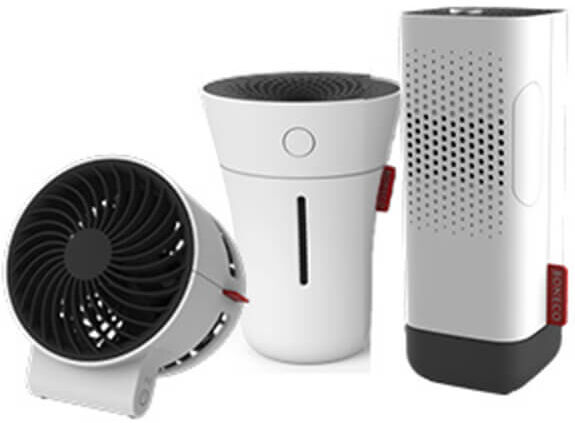
Boneco Travel Kit USB Air Purifier Fan and HumidifierThis Boneco Travel Kit, consists of: - The Boneco P50 Air Purifier /Ioniser: A small personal and portable purifier, designed to keeping your air pure wherever you are - whether working from home or on the move. - The Boneco U50 Personal Ultrasonic Humidifier: Elegant humidifier - for dry winter times, or over air conditioned hotel rooms and offices. - Boneco F50 USB Fan: The perfect personal, portable fan to keep you cool at your home, office or on the move.73,95 £*Shipping: 0,00 £Secure redirect to the provider
-
Air Wick Freshmatic Linen In The Air air freshener refill 250 mlAir Wick Freshmatic Linen In The Air, 250 ml, Air Fresheners Home Scents, Odours can develop in any room over time, spoiling the pleasant atmosphere. The Air Wick Freshmatic Linen In The Air air freshener helps mask these odours with a subtle scent, adding a touch of freshness to the space. This can make the room feel cleaner and more inviting, whether it’s for everyday life or special occasions. These small details often determine how we feel in a space. Characteristics: a fresh fragrance an airy, clean fragrance How to use: Keep out of the reach of children and pets. If the product refill comes into contact with your skin, wash immediately with plenty of soap and water. If it gets into your eyes, rinse for several minutes with water.5,70 £*Shipping: 3,99 £Secure redirect to the provider
-
What are abiotic and biotic factors in biology?
Abiotic factors in biology are non-living components of an ecosystem, such as temperature, sunlight, water, and soil. These factors can have a significant impact on the organisms living in the ecosystem. Biotic factors, on the other hand, are living components of an ecosystem, including plants, animals, fungi, and microorganisms. These factors interact with each other and with the abiotic factors to create a complex and dynamic environment. Both abiotic and biotic factors play crucial roles in shaping the structure and function of ecosystems. **
-
Do tides belong to the abiotic environmental factors?
Yes, tides belong to the abiotic environmental factors. Abiotic factors are non-living components of an ecosystem, and tides are the result of the gravitational pull of the moon and the sun on the Earth's oceans. Tides play a significant role in shaping coastal ecosystems and influencing the distribution of marine organisms. Therefore, they are considered an important abiotic factor in marine environments. **
-
What do abiotic and biotic environmental factors mean?
Abiotic environmental factors refer to non-living components of an ecosystem, such as temperature, sunlight, water, and soil. These factors can have a significant impact on the survival and distribution of living organisms within an ecosystem. Biotic environmental factors, on the other hand, refer to the living components of an ecosystem, including plants, animals, and microorganisms. These factors can also influence the dynamics of an ecosystem through interactions such as predation, competition, and symbiosis. Both abiotic and biotic factors play crucial roles in shaping the structure and function of ecosystems. **
-
Which biotic and abiotic factors influence the sea?
Biotic factors that influence the sea include the presence of marine plants and animals, which contribute to the overall ecosystem and food web. These organisms play a crucial role in the health and balance of the marine environment. Abiotic factors such as temperature, sunlight, water chemistry, and currents also have a significant impact on the sea. These factors affect the physical and chemical properties of the water, as well as the distribution and behavior of marine life. Overall, both biotic and abiotic factors play a crucial role in shaping the marine environment and its inhabitants. **
* All prices are inclusive of VAT and, if applicable, plus shipping costs. The offer information is based on the details provided by the respective shop and is updated through automated processes. Real-time updates do not occur, so deviations can occur in individual cases. ** Note: Parts of this content were created by AI.